Everyday Training
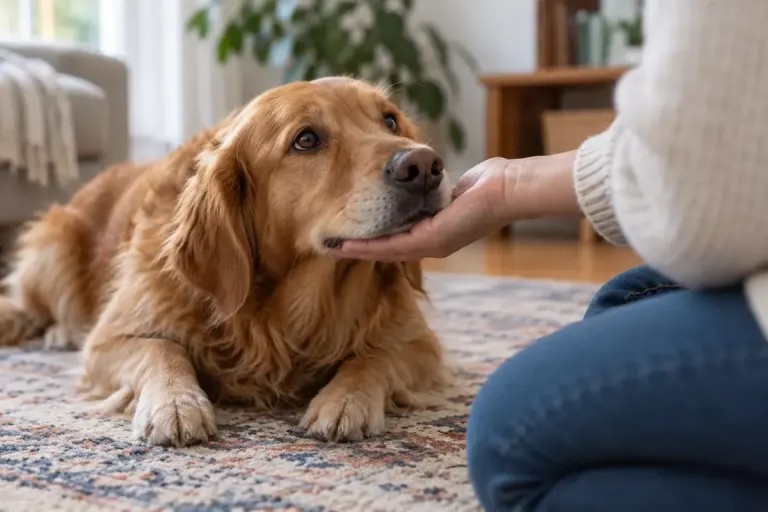
Teach a Chin Rest as a Choice Before Using It in Dog-Care Practice
A voluntary chin rest can make handling practice clearer. Teach the position in small steps and let your dog move away.

Understand the dog beside you.
A voluntary chin rest can make handling practice clearer. Teach the position in small steps and let your dog move away.
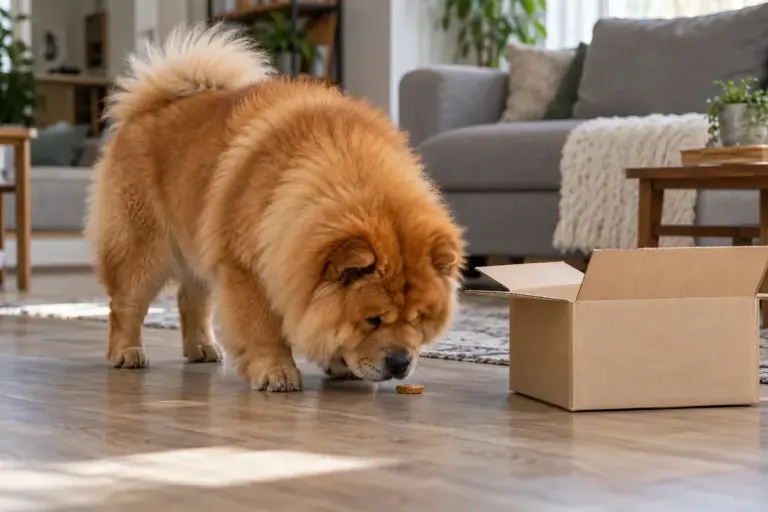
Introduce a gentle scent-search game with easy visible rewards, safe spaces and short sessions that let your dog succeed without frustration.
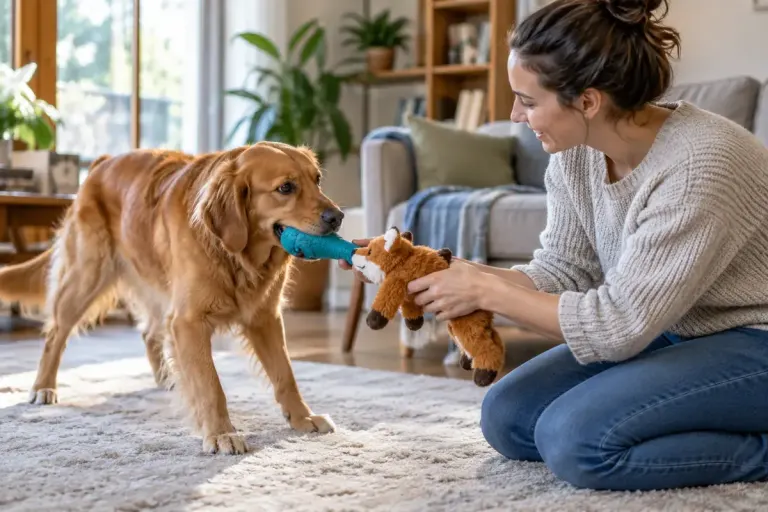
Practise a calm exchange with a low-value toy so releasing an object becomes a safe, rewarding skill for your dog.
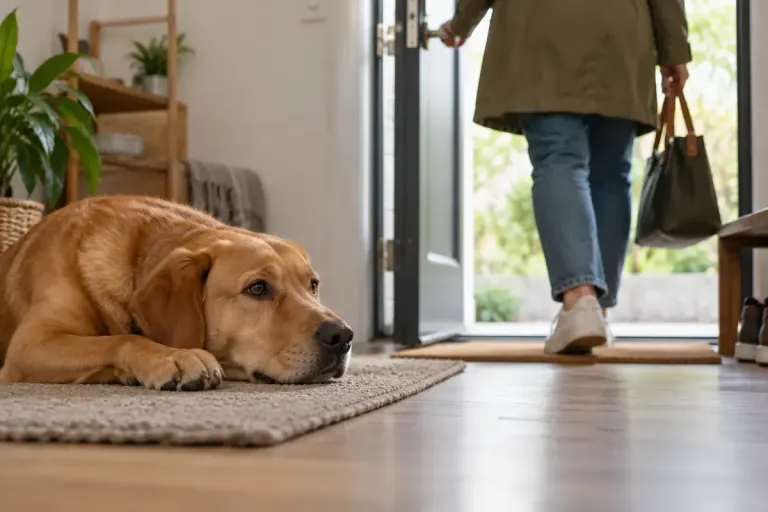
Short, calm practice absences can help you observe how a dog handles time alone before extending the routine.
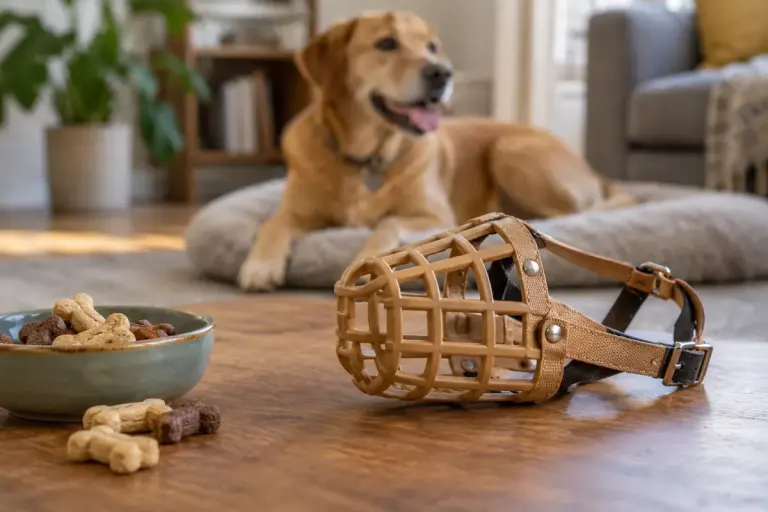
Introduce a well-fitted muzzle gradually with rewards, so it becomes familiar equipment rather than a surprise during a stressful appointment.
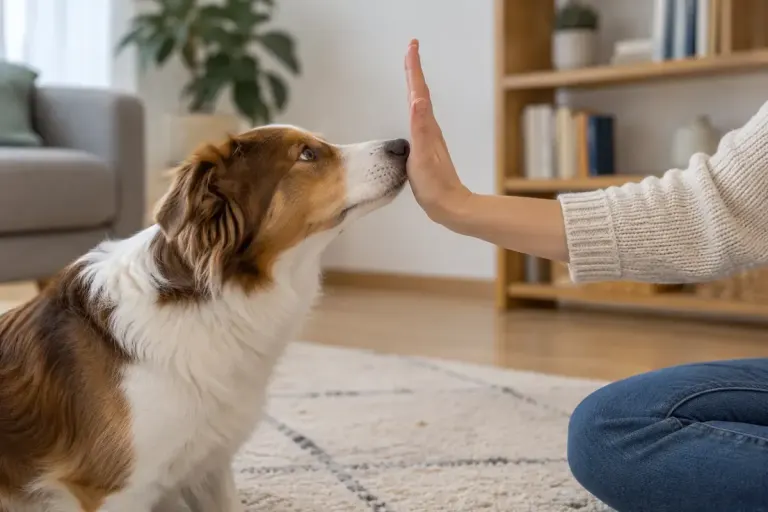
Introduce a gentle hand target with a clear reward marker, short sessions and voluntary movement, without pressing your hand into the dog’s nose.
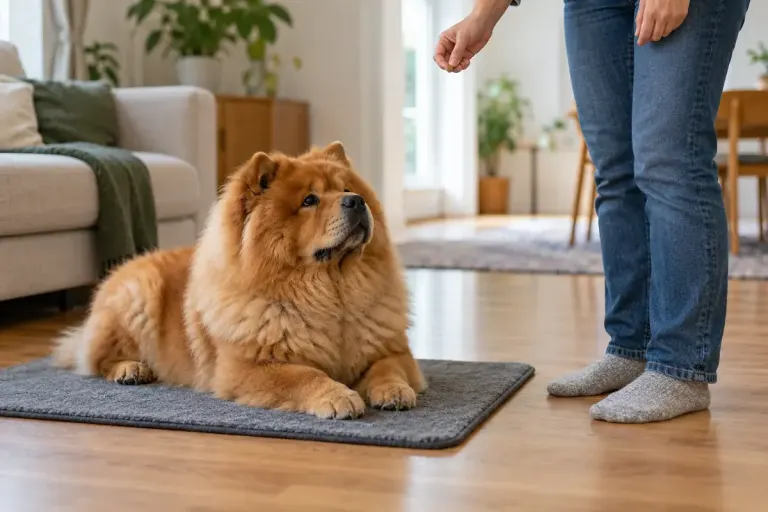
Use a consistent release cue to tell your dog when a short wait has ended, while keeping practice easy, reward-based and safely contained.
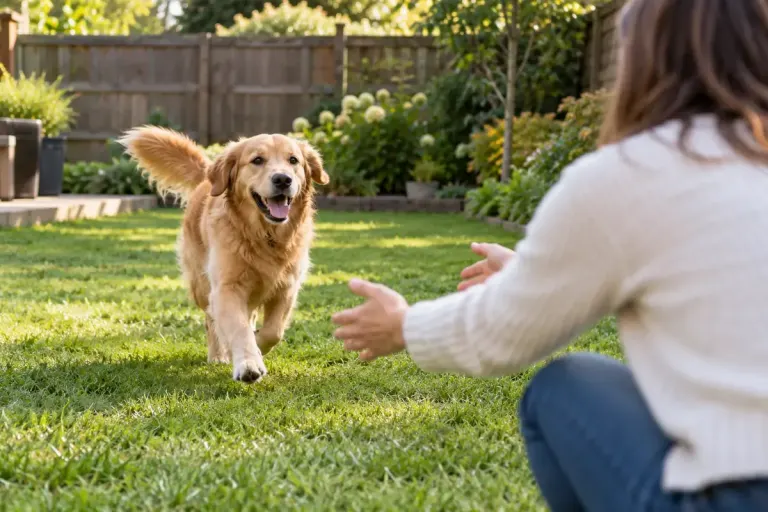
Build recall practice in a safe enclosed space with a clear cue, a worthwhile reward and distractions your dog can manage.
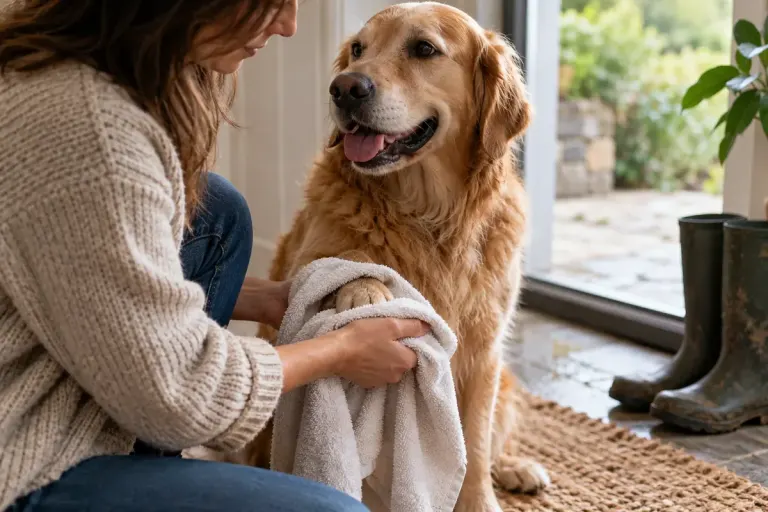
Make a calm paw check part of returning from a muddy dog walk, and seek veterinary advice for pain, persistent licking or visible injury.