
Everyday Dog Health
Learn a dog’s normal resting breathing before you need to describe a change
Learn how to observe a sleeping dog’s breathing and keep a useful record for the vet, while recognising when breathing trouble needs urgent care.

Understand the dog beside you.
Learn how to observe a sleeping dog’s breathing and keep a useful record for the vet, while recognising when breathing trouble needs urgent care.
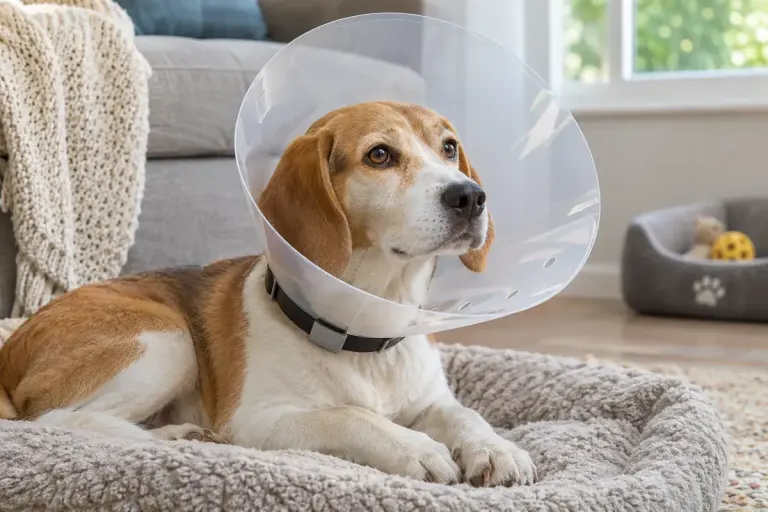
Check whether a dog’s recovery collar protects the intended area while allowing comfortable breathing, eating and supervised movement.

A useful leave-it cue rewards turning away before a dog grabs an item. Build the skill with safe practice and keep real hazards out of reach.

Loose skin beneath a dog’s jaw may be a familiar physical feature, but new swelling or irritated folds need attention. Learn what to observe and report.
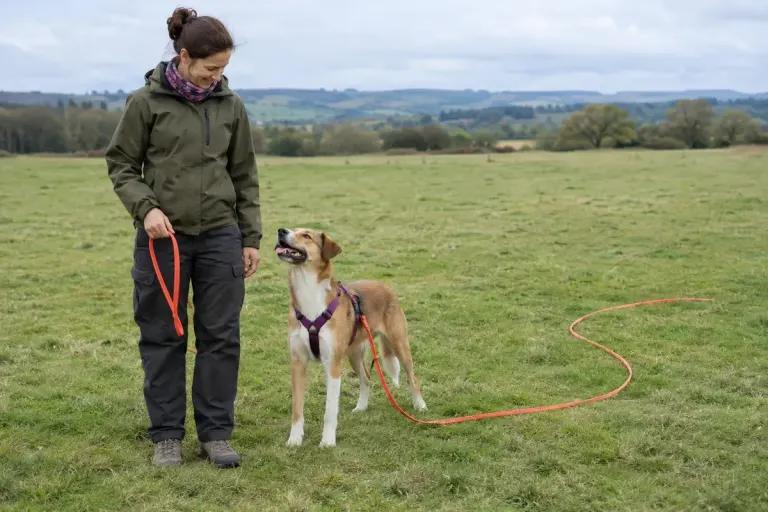
A long line gives a dog room to explore, but it needs active handling. Learn how to notice tangles, manage spare line and practise in a clear space.

Considering canine blood donation? Learn which screening questions to ask, why temperament matters and why acceptance depends on the veterinary service.

Scent rolling has several proposed explanations, but its exact purpose remains uncertain. Focus on observation, prevention and sensible clean-up.
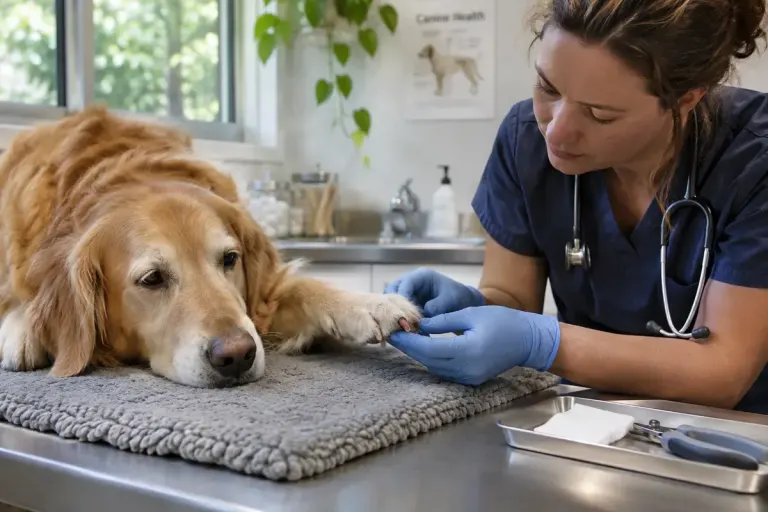
A torn nail can be painful even when the injury looks small. Learn what to report to the vet and how to avoid turning a damaged nail into a grooming task.
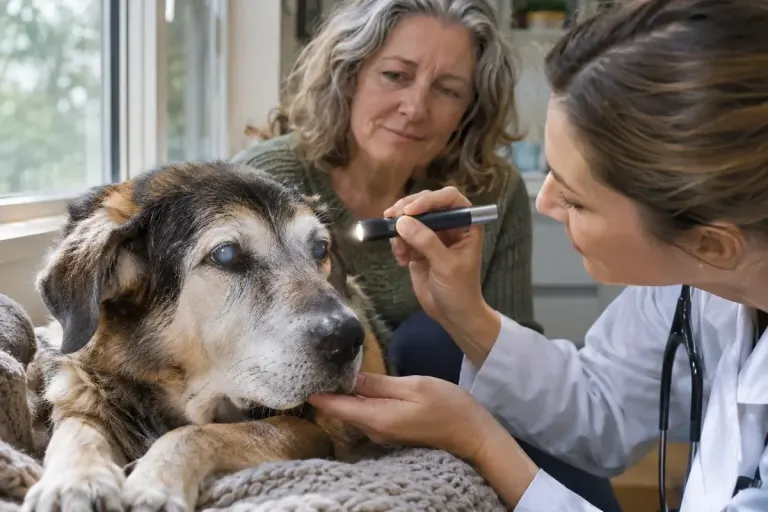
A blue-grey haze in an older dog’s eyes can have different causes. A veterinary eye examination separates appearance from diagnosis.