
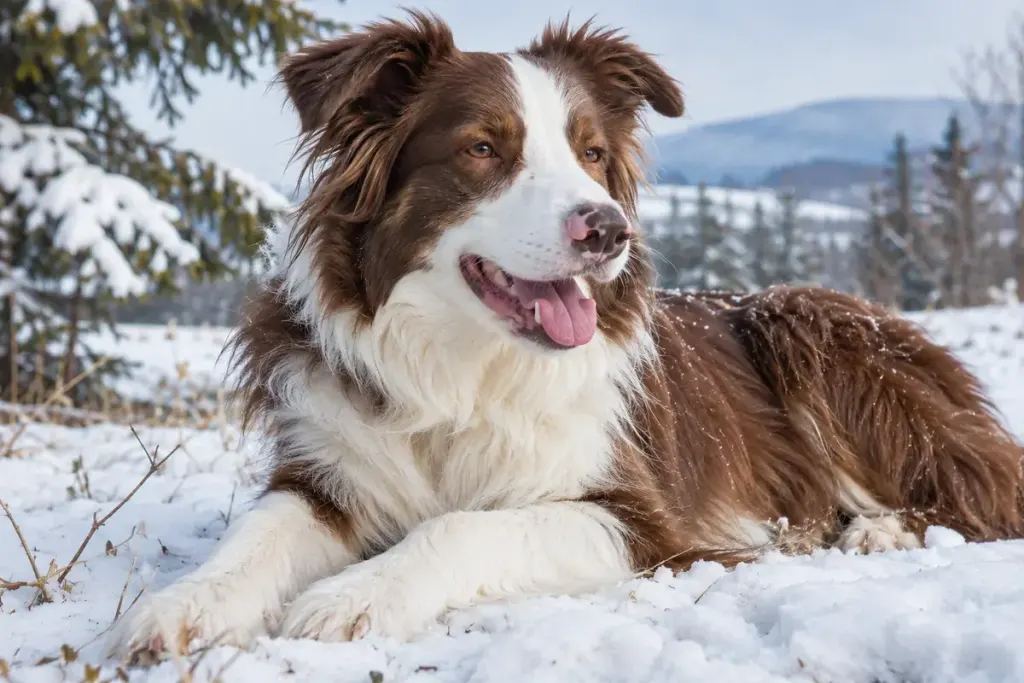
A dog’s nose may look lighter in one season than another. A photograph from last summer can make the difference striking, but colour alone does not explain why it happened.
Veterinarian-authored PetMD guidance on snow nose describes a usually harmless pigment change often noticed in winter. Its exact cause is not settled. That description should not be used to label every pale patch, sore or sudden change as seasonal.
Look beyond the shade
When you notice a change, record whether the nose’s usual surface texture remains intact. Are there crusts, cracks, swelling, bleeding or signs that the area hurts? Is the dog rubbing its face, eating differently or otherwise unwell? Those details matter more than trying to match a photograph online.
Take a clear picture in similar natural light on each occasion. A flash, warm indoor lamp or wet nose can change the apparent colour. Include the date and a brief note about what you observed without repeatedly touching or scrubbing the area.
Contact your veterinarian about a new, persistent or concerning change, especially when the surface is damaged or the dog seems uncomfortable. A professional can consider the history and examine the tissue rather than inferring a cause from pigment alone.
Avoid a cosmetic response
Do not apply human makeup, dye or an improvised bleaching or colouring treatment to restore the old appearance. A darker photograph is not the goal of care. Ask the veterinarian about any product needed for the dog’s actual condition, including suitable sun protection if recommended.
For the appointment, bring the earlier photographs and a list of recent changes in medicines, products or routines. Describe when the colour first changed and whether it has happened in previous seasons. There is no need to select a diagnosis before asking for advice.
A familiar seasonal pattern can be reassuring after it has been assessed, but it should not make a different-looking lesion invisible to you. The useful habit is to notice the dog’s normal appearance and report a change accurately, without treating every variation as either an emergency or nothing at all.