Behaviour Notes
Why a dog may roll in a smell you would rather avoid
Scent rolling has several proposed explanations, but its exact purpose remains uncertain. Focus on observation, prevention and sensible clean-up.

Understand the dog beside you.
Make greetings less pressured by observing the whole dog, respecting distance and letting an owner decline contact without a forced introduction.
Scent rolling has several proposed explanations, but its exact purpose remains uncertain. Focus on observation, prevention and sensible clean-up.
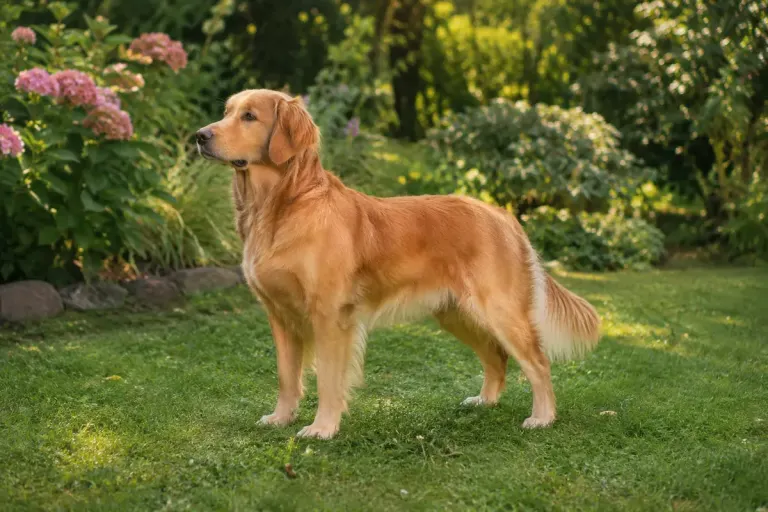
Raised hackles show arousal, but do not explain a dog’s whole emotional state. Read posture and context together and give the dog room to move away.
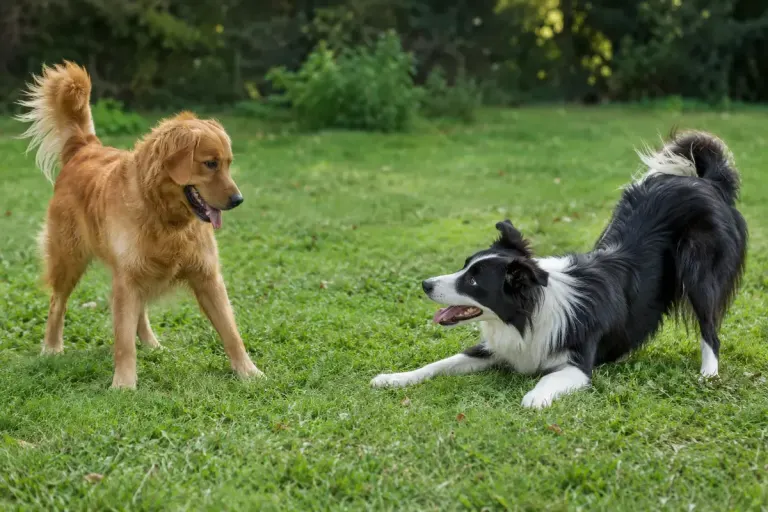
A play bow makes more sense alongside loose movement, pauses and the other dog’s response. Watch the exchange instead of judging one frozen posture.
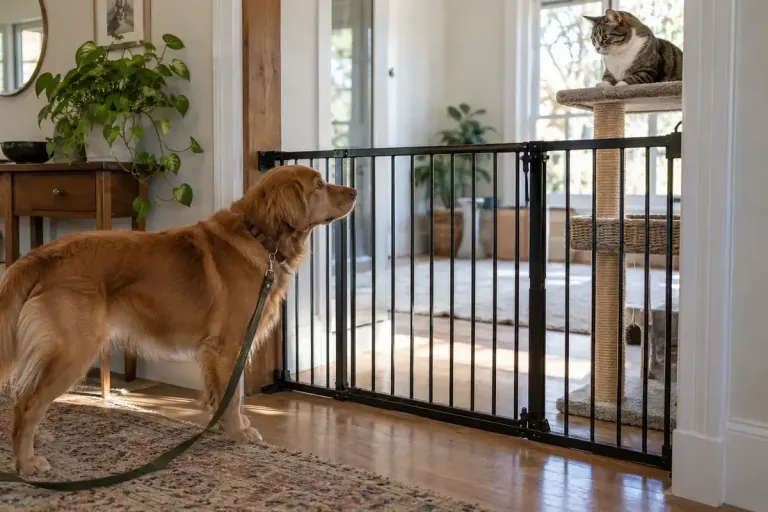
Introduce a dog and a cat gradually with separate resources, safe retreat routes and calm supervision. Let behaviour determine the pace of each step.
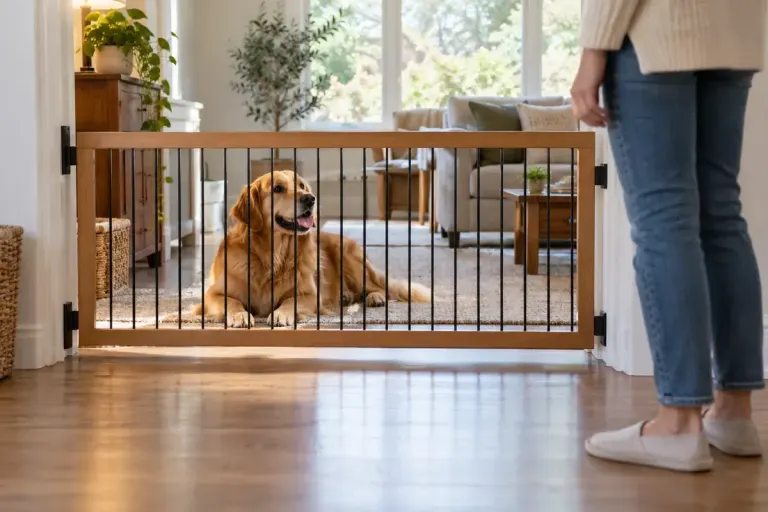
A growl is a warning to take seriously. Create safe space, note the situation and seek veterinary or qualified behaviour help without punishing the signal.
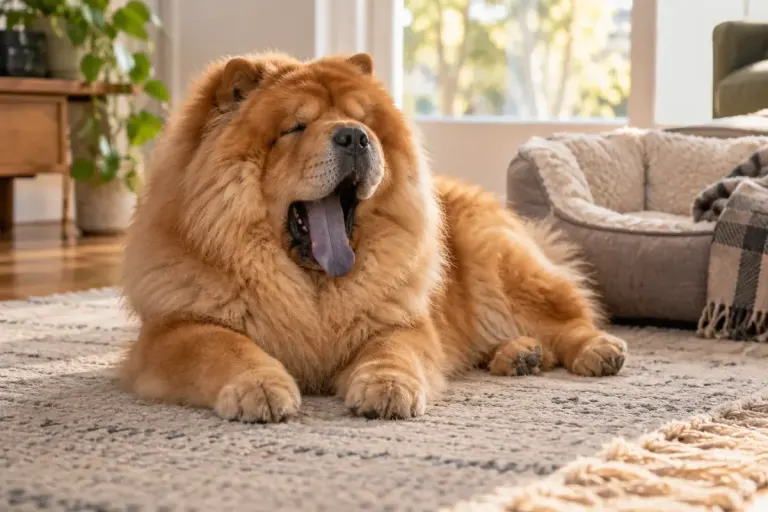
Read a dog’s yawn alongside posture, setting and recent activity, and respond to signs of discomfort without forcing another interaction.
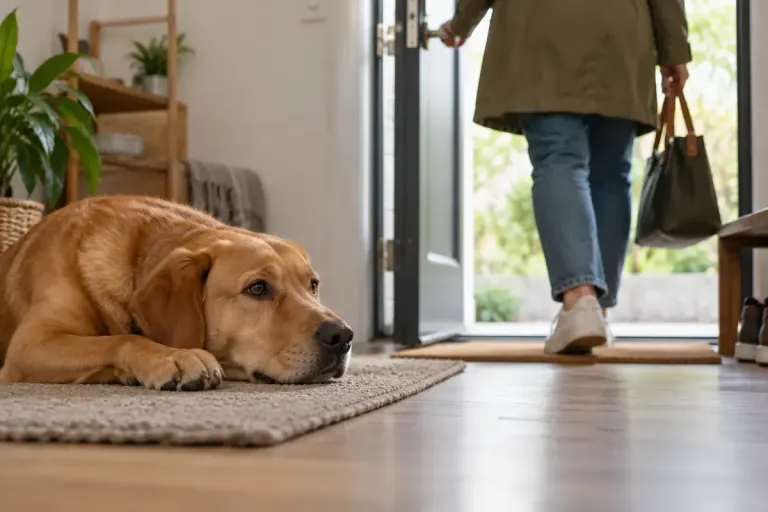
Short, calm practice absences can help you observe how a dog handles time alone before extending the routine.
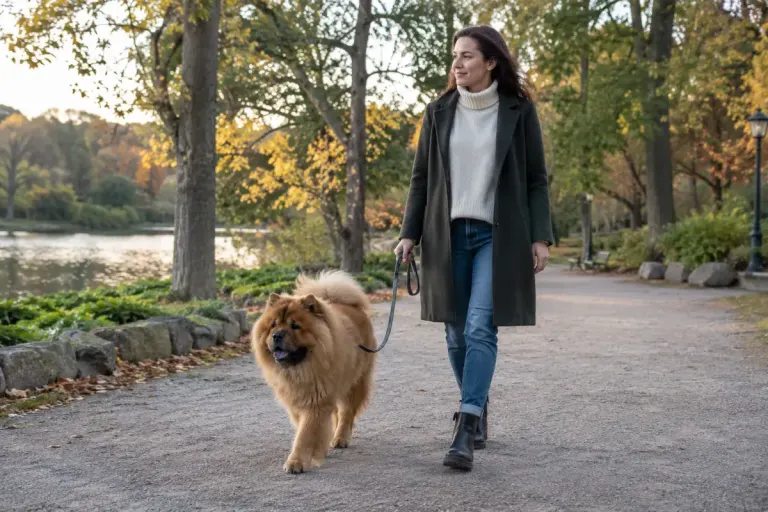
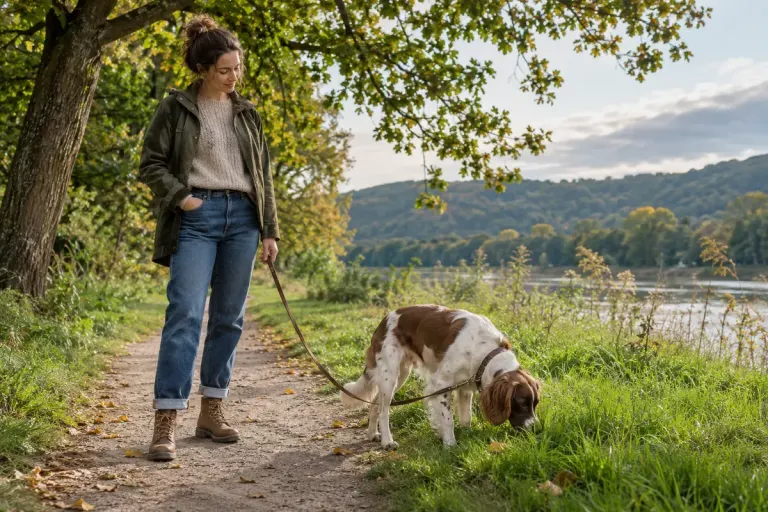
Practise loose-lead walking in short, achievable sections and use distance from distractions to make success easier for your dog.
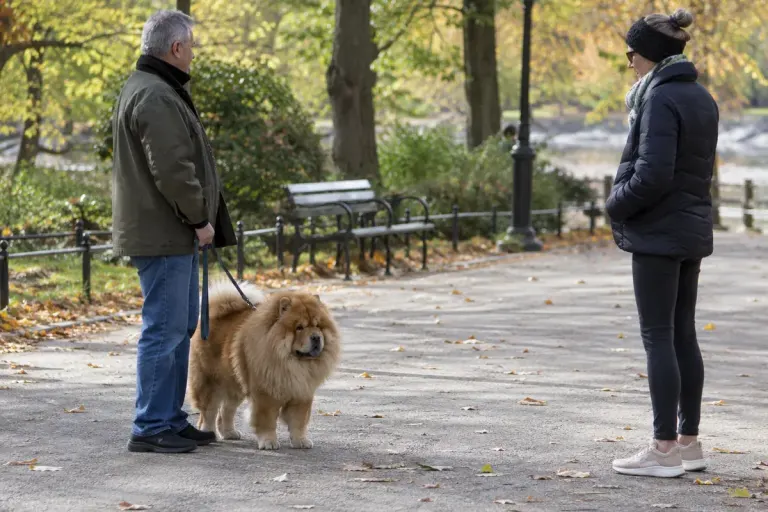
Make greetings less pressured by observing the whole dog, respecting distance and letting an owner decline contact without a forced introduction.