Life With Dogs
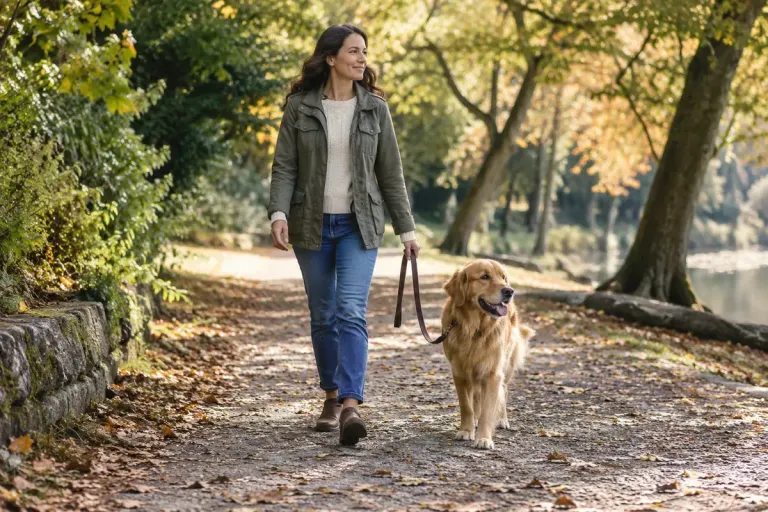
Before walking two dogs together, learn how each one walks alone
Assess each dog’s pace, reactions and lead skills before combining walks, and use two handlers when introducing a shared walking routine.

Understand the dog beside you.
Assess each dog’s pace, reactions and lead skills before combining walks, and use two handlers when introducing a shared walking routine.

After bathing a double-coated dog, check beneath the surface coat and ask a groomer about a comfortable drying routine suited to the dog’s tolerance.
A growl is a warning to take seriously. Create safe space, note the situation and seek veterinary or qualified behaviour help without punishing the signal.

Read a dog’s yawn alongside posture, setting and recent activity, and respond to signs of discomfort without forcing another interaction.

Introduce a new household appliance at a comfortable distance, separate its appearance from its sound, and respond to your dog’s behaviour without forcing exposure.

Introduce a new dog bed gradually, check its practical fit, and observe the dog’s choice before removing a familiar resting place.
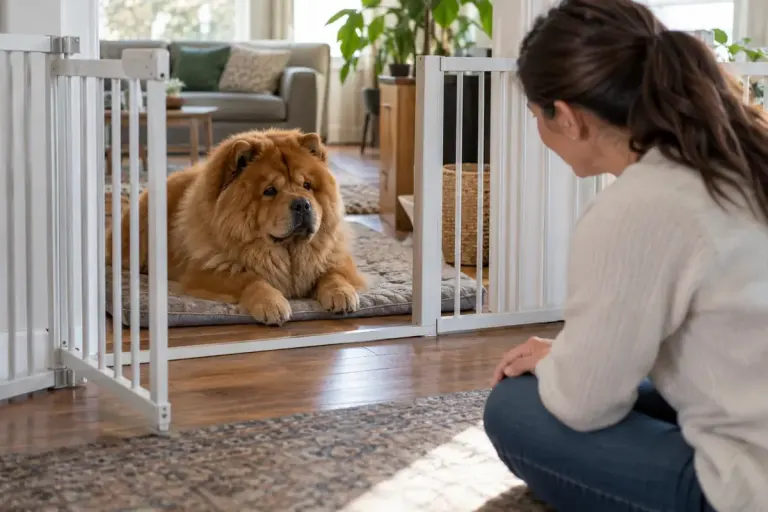
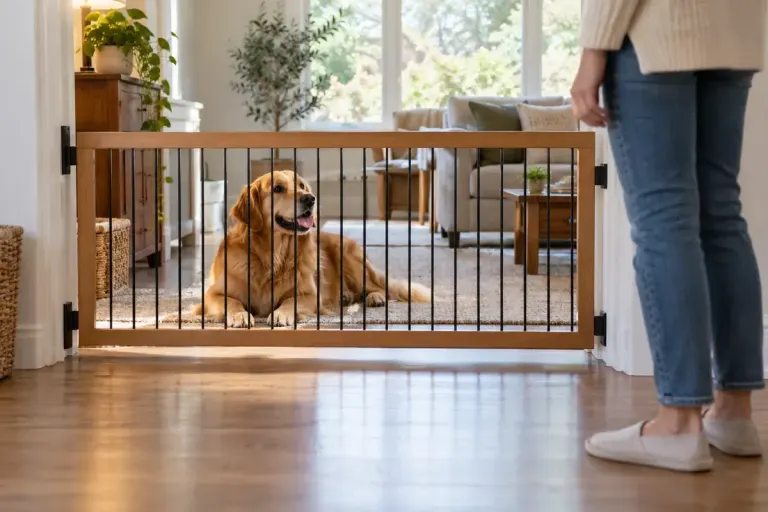
Introduce a household gate gradually so a dog can practise a short, comfortable separation before visitors make the environment more demanding.
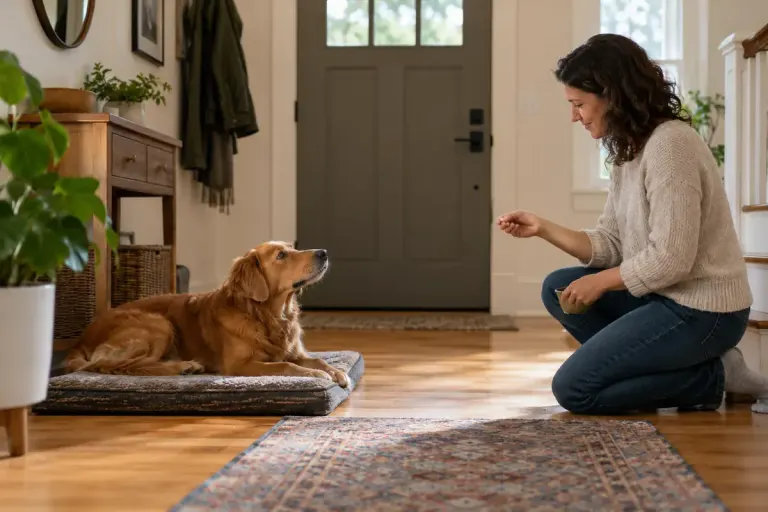
Practise a calm doorbell routine in short sessions before inviting visitors, using distance, a familiar resting place and rewards your dog enjoys.

Introduce a dog raincoat in small, comfortable stages before relying on it outdoors, with attention to fit, choice and free movement.