
Everyday Dog Health
Scooting is a symptom to describe, not a reason to empty glands at home
Repeated scooting can have several causes. Record the signs and arrange veterinary advice rather than attempting anal-gland treatment yourself.

Understand the dog beside you.
Repeated scooting can have several causes. Record the signs and arrange veterinary advice rather than attempting anal-gland treatment yourself.

Find the nutritional adequacy statement on a dog-food pack, identify its intended life stage and keep that question separate from how much to feed.
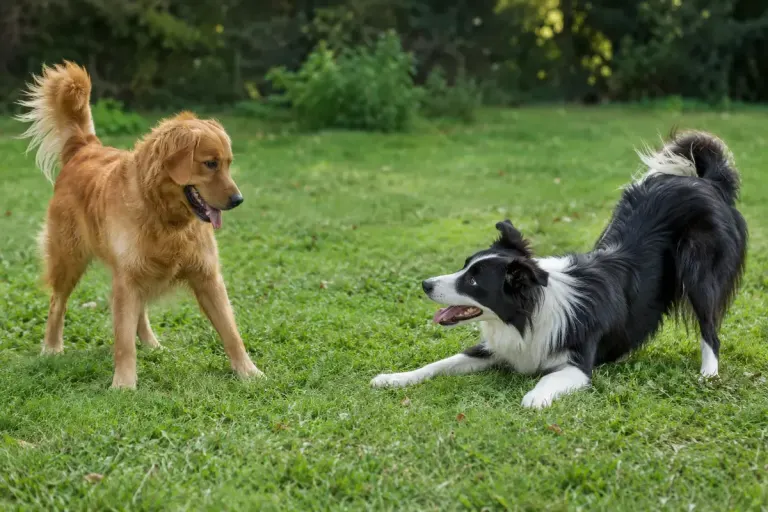
A play bow makes more sense alongside loose movement, pauses and the other dog’s response. Watch the exchange instead of judging one frozen posture.

A dog’s elimination diet can be disrupted by treats, chews or flavoured medicines. Build a veterinary-led plan that everyone in the household can follow.

A sudden snorting episode can be alarming. Learn which observations help a vet assess possible reverse sneezing and when breathing needs urgent care.
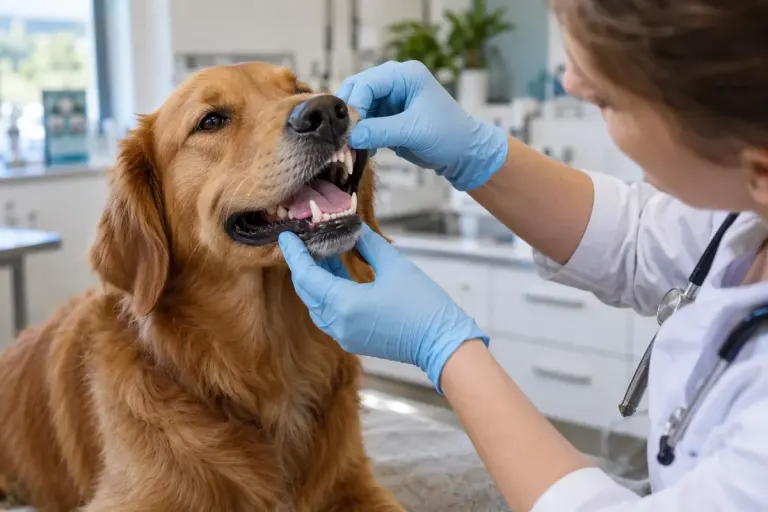
A baby tooth remaining beside an emerging adult tooth needs veterinary assessment. Learn what to observe without pulling or forcing the tooth.
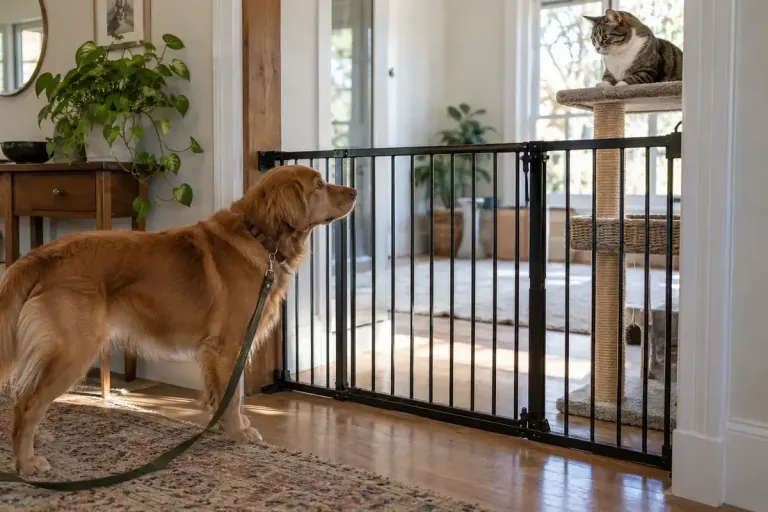
Introduce a dog and a cat gradually with separate resources, safe retreat routes and calm supervision. Let behaviour determine the pace of each step.
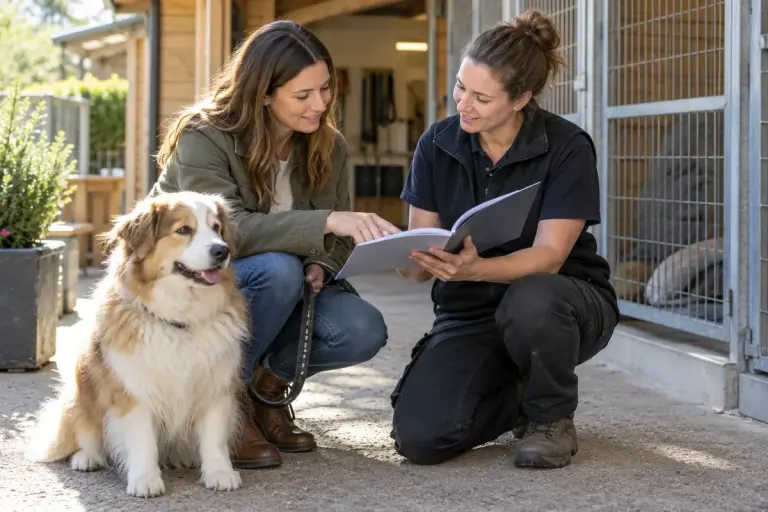
Prepare for a boarding stay by checking vaccination evidence, the kennel’s requirements and your dog’s veterinary advice well before arrival.
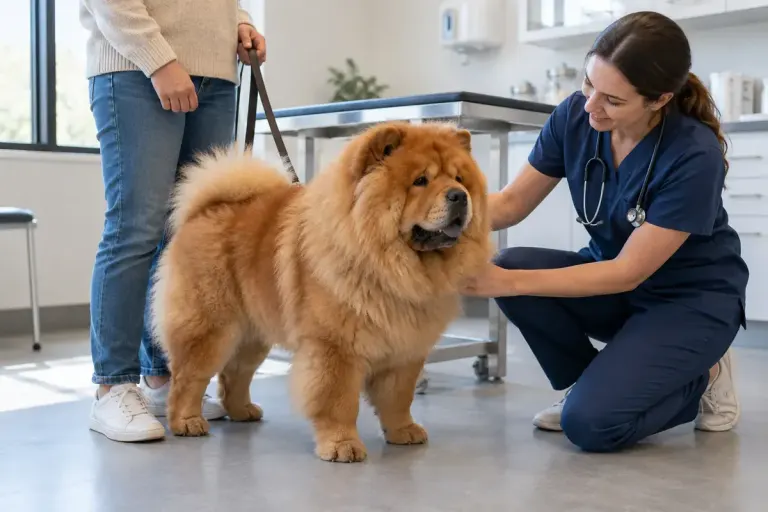
A Chow Chow’s coat can hide body contours. Learn why body-condition assessment includes gentle touch and a veterinary demonstration, not just a photograph.