Everyday dog care
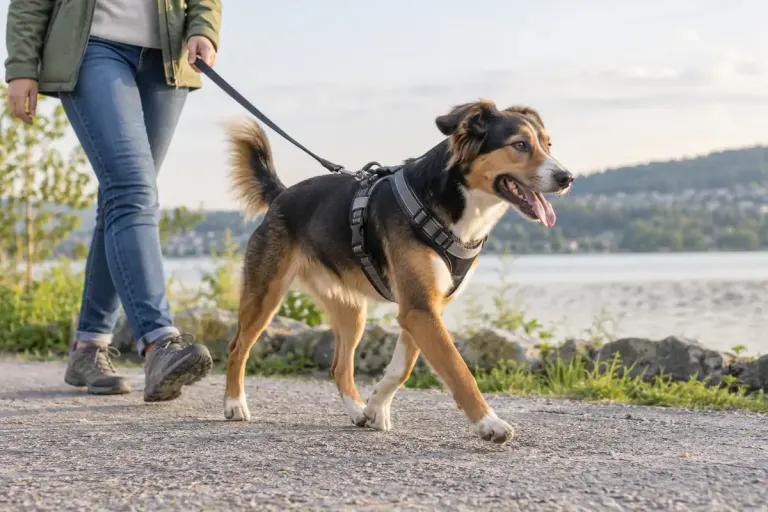
Check a Dog Harness in Motion, Not Just Standing Still
Check how a dog harness sits during gentle movement, using the manufacturer’s fitting instructions and your dog’s comfort as guides.

Understand the dog beside you.
Check how a dog harness sits during gentle movement, using the manufacturer’s fitting instructions and your dog’s comfort as guides.
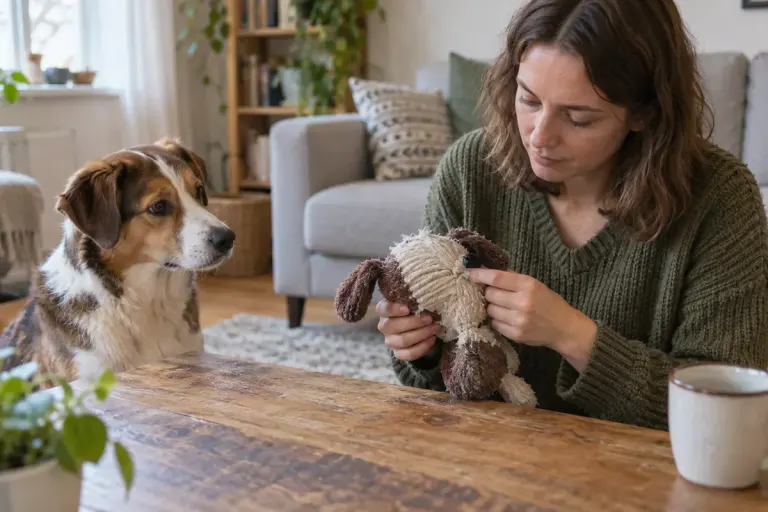
Inspect seams, loose parts, and changing size before offering a favourite toy again. Damage matters more than how recently you bought it.
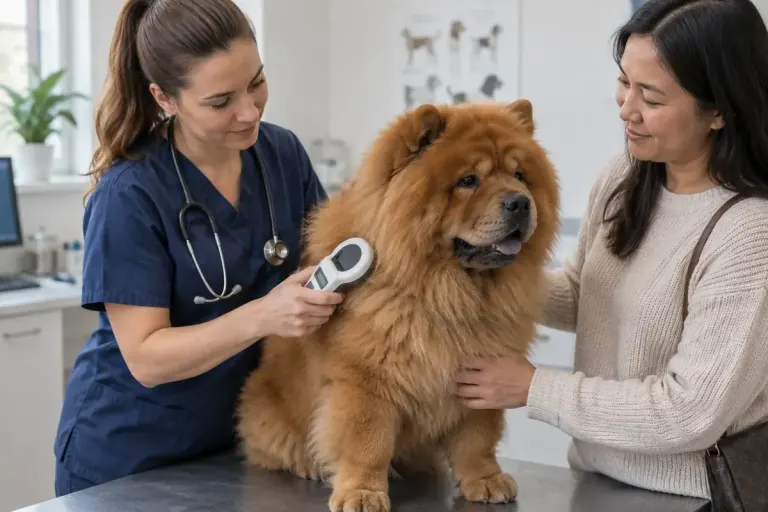
Check the database behind your dog’s microchip after a move or phone-number change, and keep the identification record separate from assumptions about tracking.
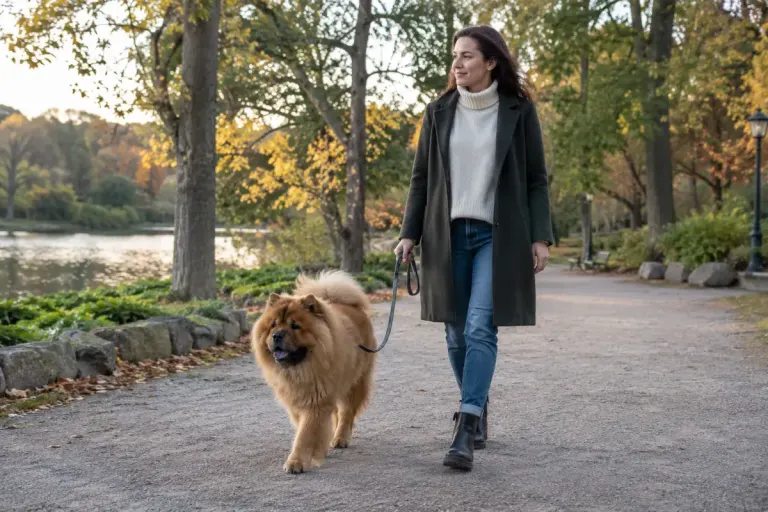
Practise loose-lead walking in short, achievable sections and use distance from distractions to make success easier for your dog.
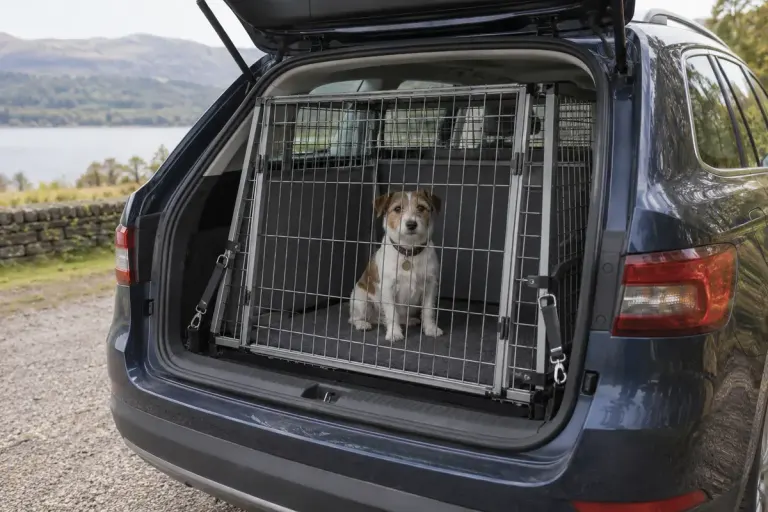
Prepare a dog’s car space with an appropriate restraint, a gradual introduction and a realistic plan for breaks before a longer journey.
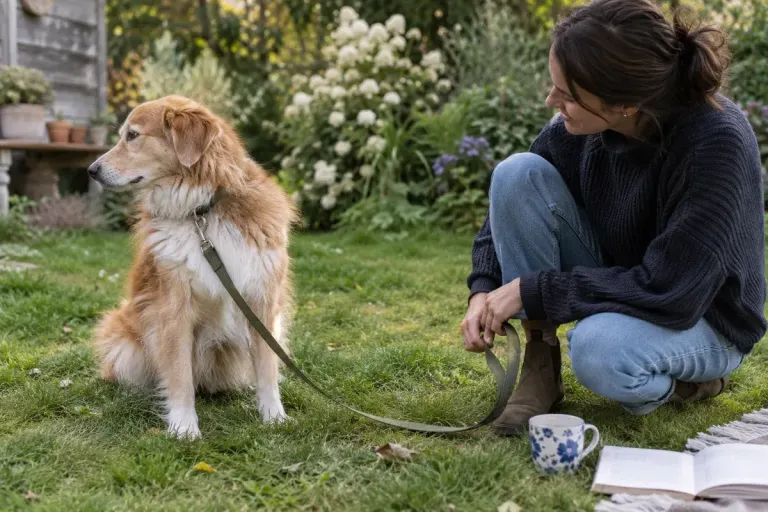
Make a dog’s walk more useful by allowing safe sniffing opportunities and adapting pace, route and duration to the individual dog.
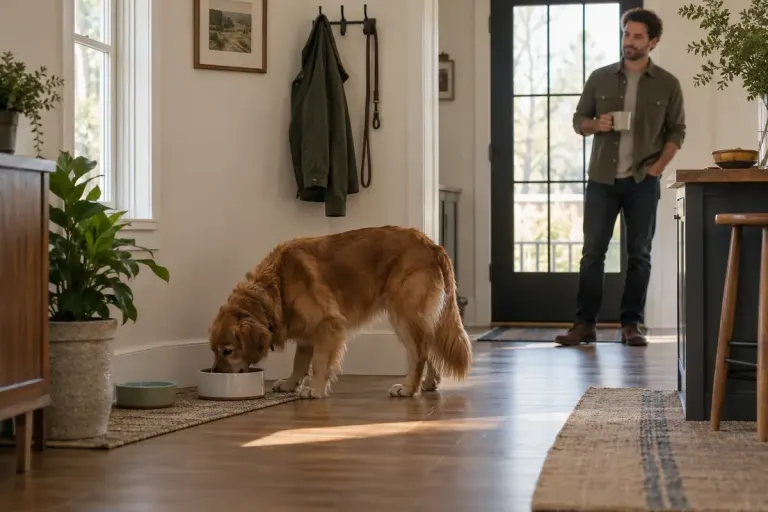
Give a dog space around food, recognise signs of discomfort and seek qualified help instead of testing or punishing resource guarding.
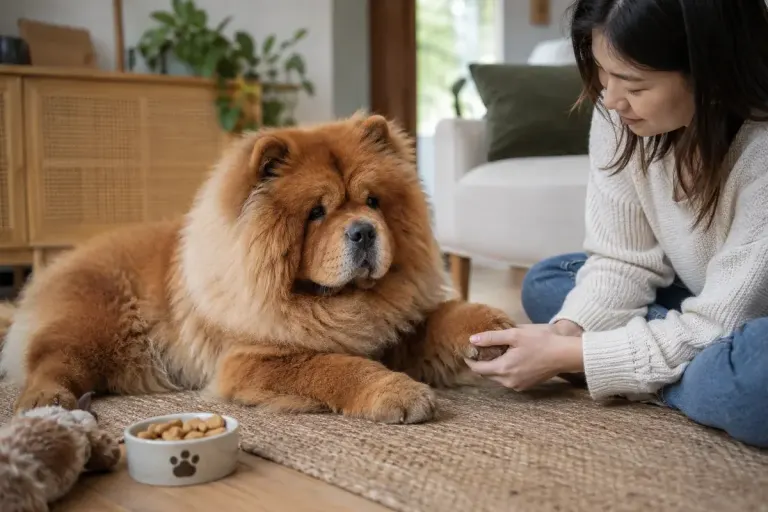
Build calm paw handling before expecting a dog to accept nail care. Short, voluntary practice and professional guidance are more useful than restraint.
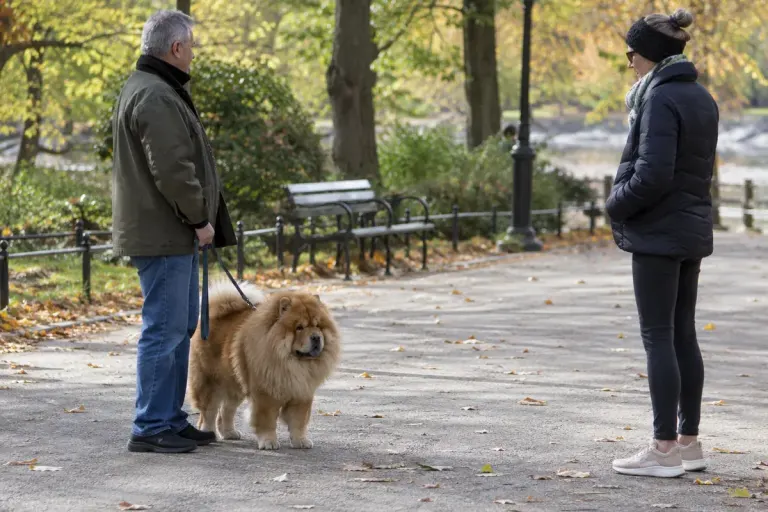
Make greetings less pressured by observing the whole dog, respecting distance and letting an owner decline contact without a forced introduction.