
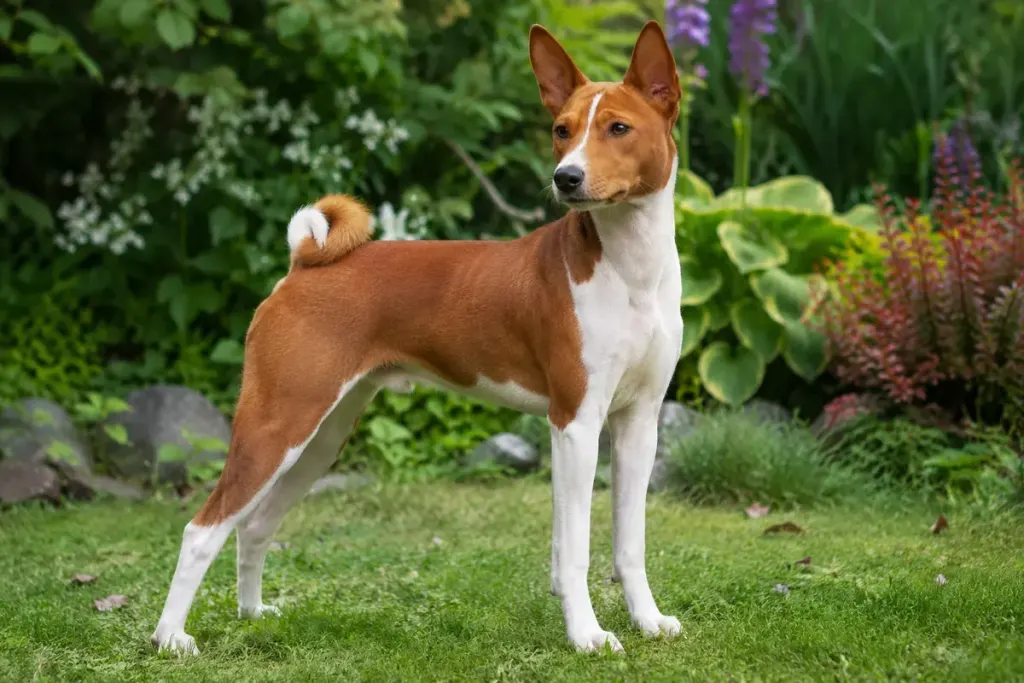
“Barkless” is a memorable description of the Basenji. It can also create the wrong expectation if a prospective owner reads it as “will never make a loud sound.” The breed has other ways to use its voice.
The Basenji Club of America describes yodelling, chortling and screaming among its sounds. The American Kennel Club’s breed profile likewise distinguishes the familiar bark from the Basenji’s characteristic vocalisations. The absence of one typical sound does not amount to a noise guarantee for an individual dog.
Listen to the dog, not only the nickname
A useful meeting with a breeder or rescue organisation includes ordinary conversation about the individual animal. Ask what sounds this dog makes, in which situations, and how they settle after excitement. If possible, learn about their routine in a home rather than judging only a brief, unfamiliar meeting.
For an apartment household, the more useful question is not “Does this breed bark?” It is “How would this dog’s needs and behaviour fit this home?” Consider the people next door, periods alone, access to suitable activity and the support available while the dog adjusts.
Build an observation record
If you already live with a Basenji, note what happens before and after an unusual vocal episode. Record the context without immediately labelling the dog stubborn, happy or distressed. A greeting, an unfamiliar noise and a period of separation are different situations even when a human hears a similarly dramatic sound.
A simple note might say: time, event, body posture, sound and how long it lasted. That gives a qualified trainer or veterinarian more to work with than “sometimes noisy.” It can also reveal whether your own response changes the pattern.
Do not provoke the dog repeatedly to capture a funny yodel for a video. A breed’s distinctive voice is interesting without turning it into a performance on demand. Sudden changes in vocalisation or signs of discomfort warrant veterinary advice rather than an assumption that the noise is merely a breed quirk.