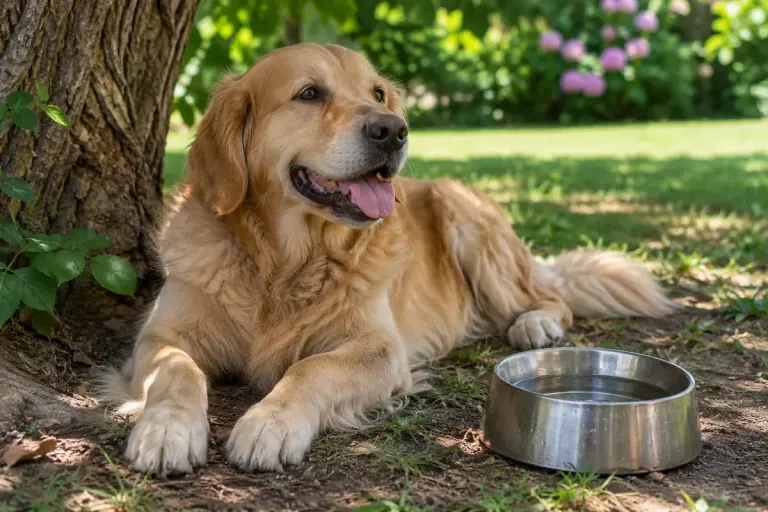
Everyday Dog Health
Why dogs pant: cooling, context and changes worth noticing
Panting can help a dog cool down, but context matters. Record unusual patterns and recognise when breathing changes need prompt veterinary help.

Understand the dog beside you.
Panting can help a dog cool down, but context matters. Record unusual patterns and recognise when breathing changes need prompt veterinary help.
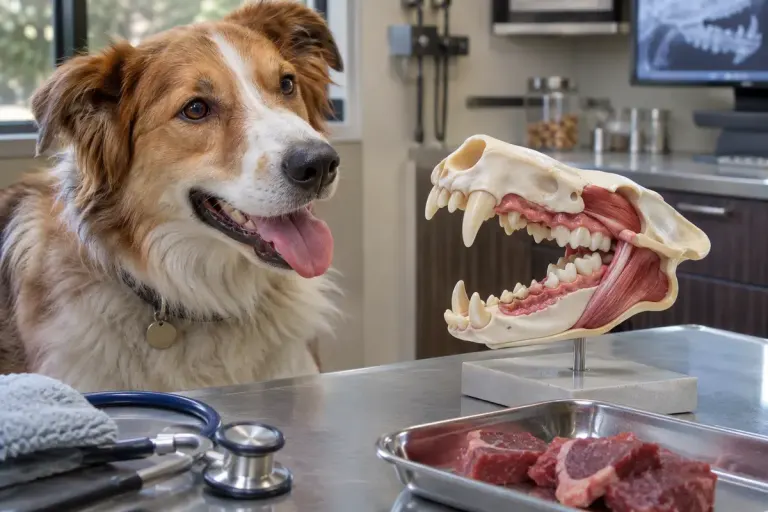
A dog’s carnassial teeth are a particular upper-and-lower pair. Learn where they sit and why a chewing change deserves a veterinary conversation.
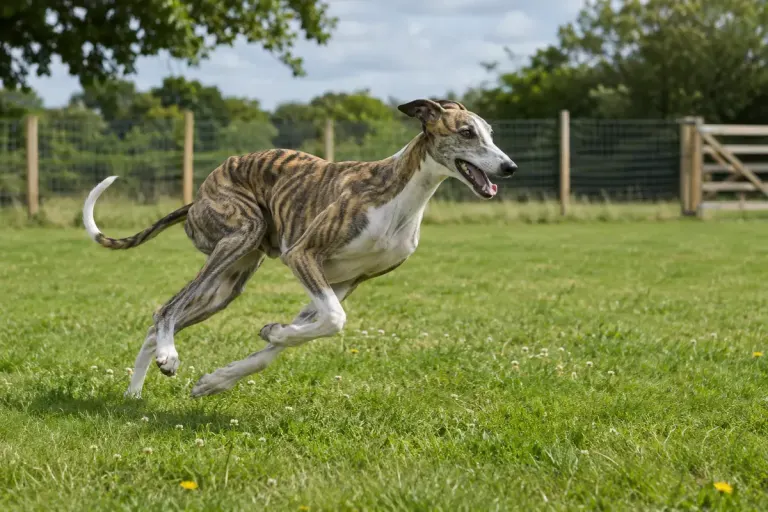
A double-suspension gallop has two airborne phases in one stride. Learn to observe the movement without turning it into a fitness test for your dog.

Snorting and noisy breathing in short-muzzled dogs should not be dismissed as normal for the breed. Learn which observations help a veterinary assessment.
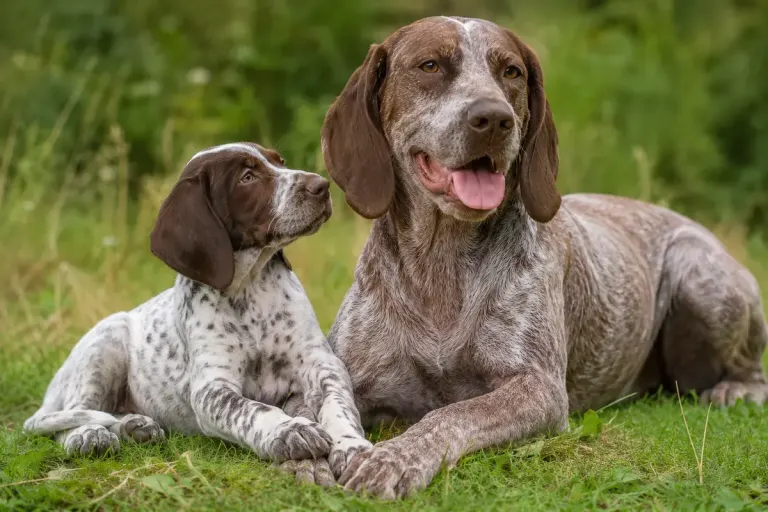
Roan coats mix coloured and white hairs, while ticking creates more distinct spots. Learn to describe the pattern without guessing a dog’s breed or health.
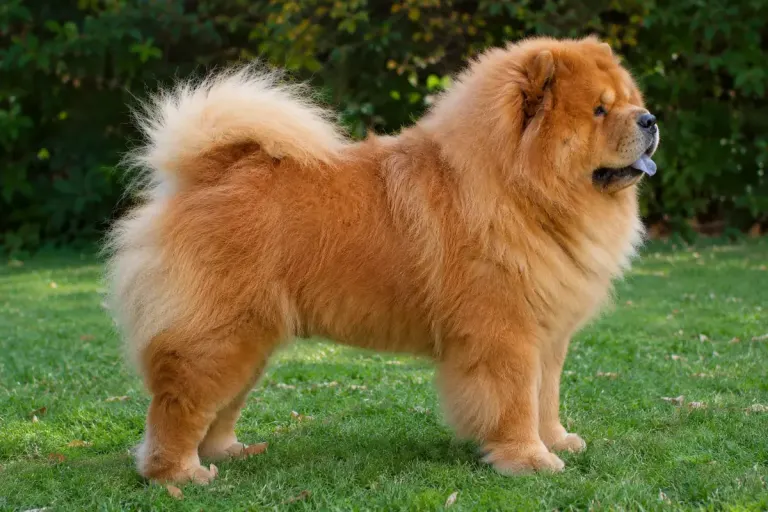
Learn where the stop lies in a dog’s head profile and how to read the term in a breed description without turning a visual feature into a health judgement.

Front, rear and double dewclaws can differ in attachment and function. Learn why counting claws alone cannot explain an individual dog’s anatomy.

A dog’s whiskers are specialised sensory hairs. Learn where to notice them and how gentle handling and a clear grooming conversation can protect them.
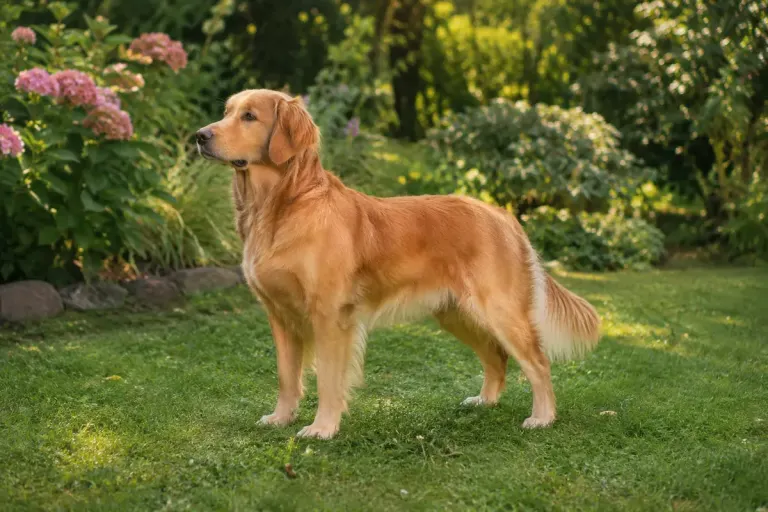
Raised hackles show arousal, but do not explain a dog’s whole emotional state. Read posture and context together and give the dog room to move away.