
Everyday Dog Health
Learn a dog’s normal resting breathing before you need to describe a change
Learn how to observe a sleeping dog’s breathing and keep a useful record for the vet, while recognising when breathing trouble needs urgent care.

Understand the dog beside you.
Learn how to observe a sleeping dog’s breathing and keep a useful record for the vet, while recognising when breathing trouble needs urgent care.

Loose skin beneath a dog’s jaw may be a familiar physical feature, but new swelling or irritated folds need attention. Learn what to observe and report.

Considering canine blood donation? Learn which screening questions to ask, why temperament matters and why acceptance depends on the veterinary service.
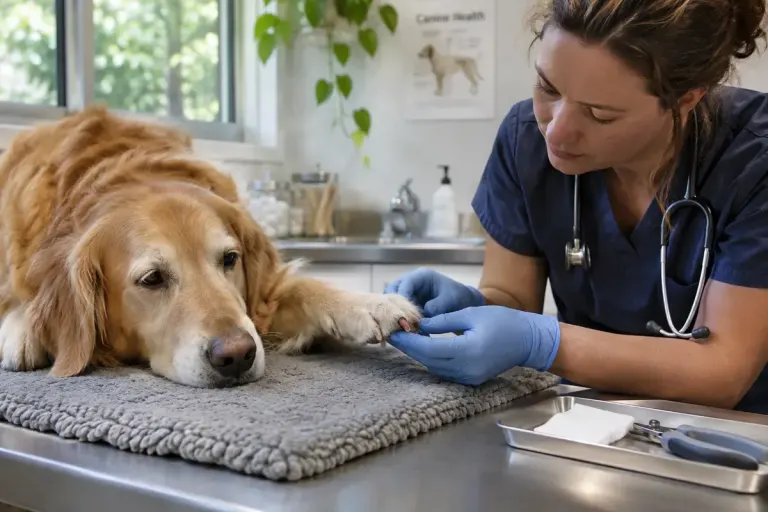
A torn nail can be painful even when the injury looks small. Learn what to report to the vet and how to avoid turning a damaged nail into a grooming task.
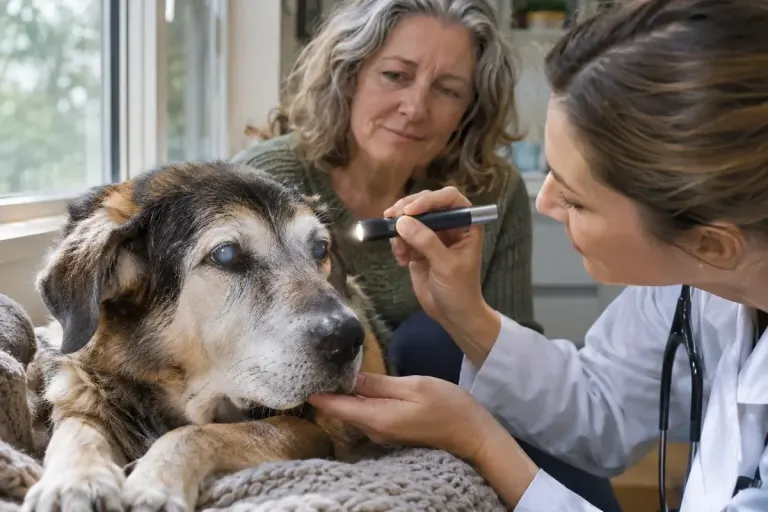
A blue-grey haze in an older dog’s eyes can have different causes. A veterinary eye examination separates appearance from diagnosis.
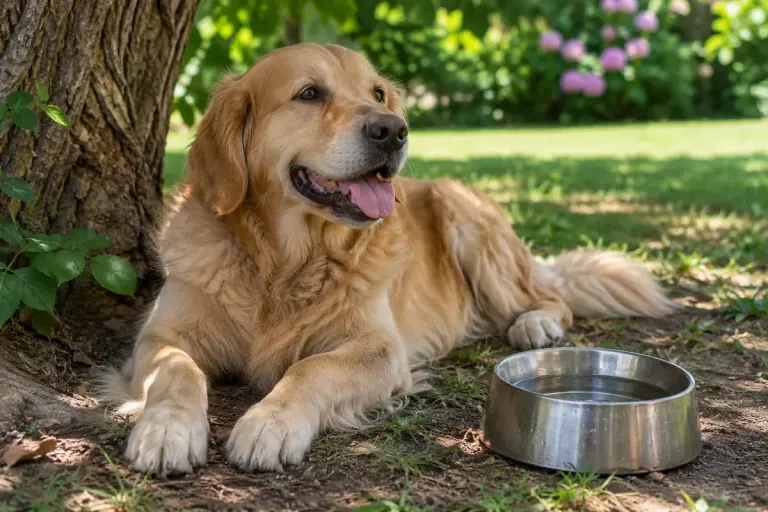
Panting can help a dog cool down, but context matters. Record unusual patterns and recognise when breathing changes need prompt veterinary help.
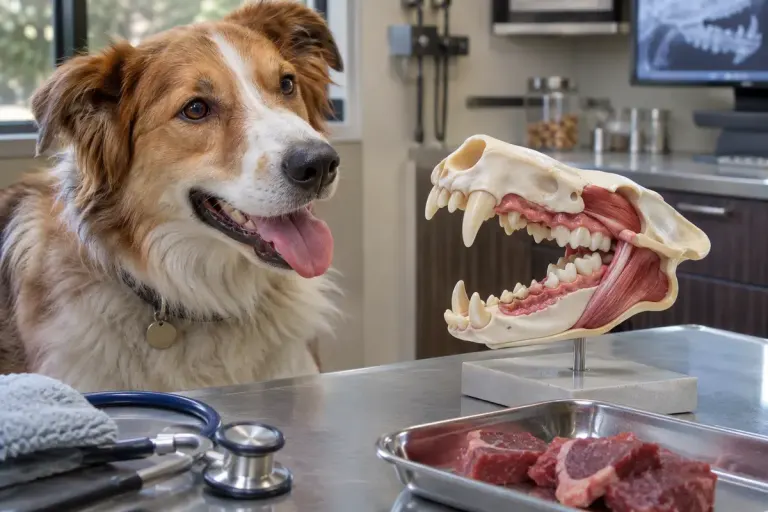
A dog’s carnassial teeth are a particular upper-and-lower pair. Learn where they sit and why a chewing change deserves a veterinary conversation.

Snorting and noisy breathing in short-muzzled dogs should not be dismissed as normal for the breed. Learn which observations help a veterinary assessment.

Front, rear and double dewclaws can differ in attachment and function. Learn why counting claws alone cannot explain an individual dog’s anatomy.