
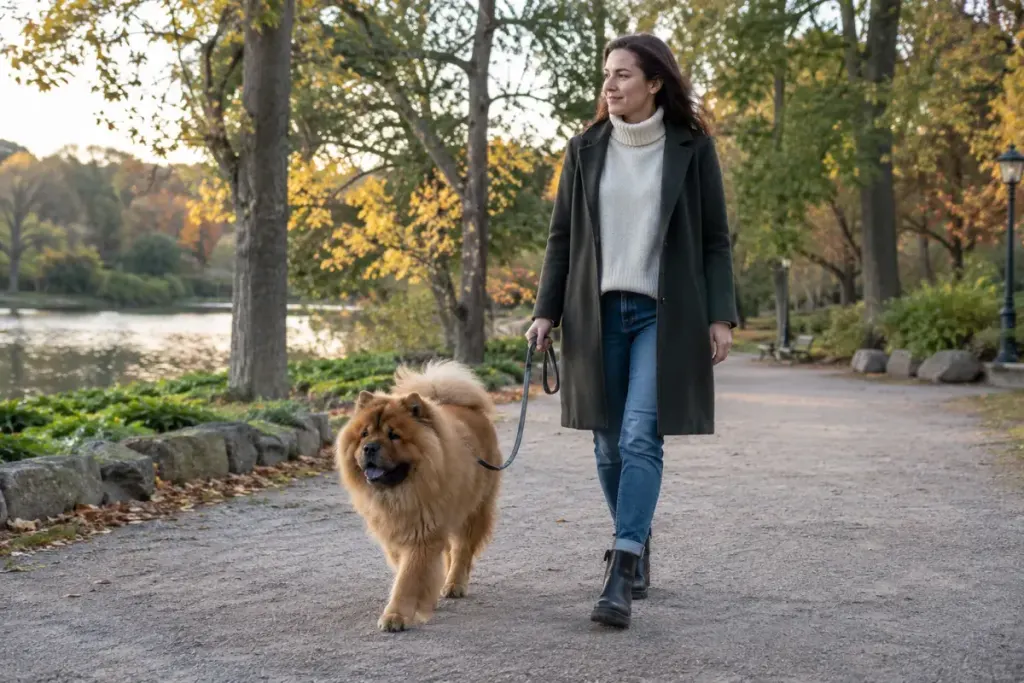
A dog can walk comfortably beside you in the garden and pull hard as soon as another dog appears. That does not mean the first lesson was wasted. It may mean that the next setting is asking for more attention than the dog can currently offer.
The RSPCA’s loose-lead guidance uses rewards for walking on a loose lead and recommends short, regular practice. Start where the dog can notice you without struggling against an overwhelming distraction.
Reward the moment you want repeated
Use a comfortable, appropriately fitted lead arrangement and rewards suitable for your dog. Notice the brief moments when the lead hangs loosely and the dog is moving with you. Reward those moments rather than waiting for an entire perfect street.
If the dog surges ahead, avoid jerking the lead or turning the walk into a pulling contest. Pause safely, regain attention and resume with an easier few steps. Keep the practice manageable; an ordinary outing can include both short training sections and relaxed opportunities to sniff.
Distance is part of the setup
When a distraction appears, create space before the lead becomes tight if you can do so safely. Crossing to a quieter path or making a wide turn may be more productive than standing close to another dog and repeatedly asking for attention.
A simple note after the walk can record where loose-lead steps were easy and where they became difficult. “Quiet path worked; narrow gate beside another dog did not” is more useful than deciding the dog was stubborn. It gives the next session a practical starting point.
Know when the problem needs more help
Fear, pain or strong reactivity can change what is appropriate. Ask a veterinarian about a sudden change in movement or behaviour, and seek a qualified reward-based professional for persistent difficulties. A loose lead is a learned skill, not a test of affection or obedience. Progress may be a short calm stretch in a place that was previously too demanding.