
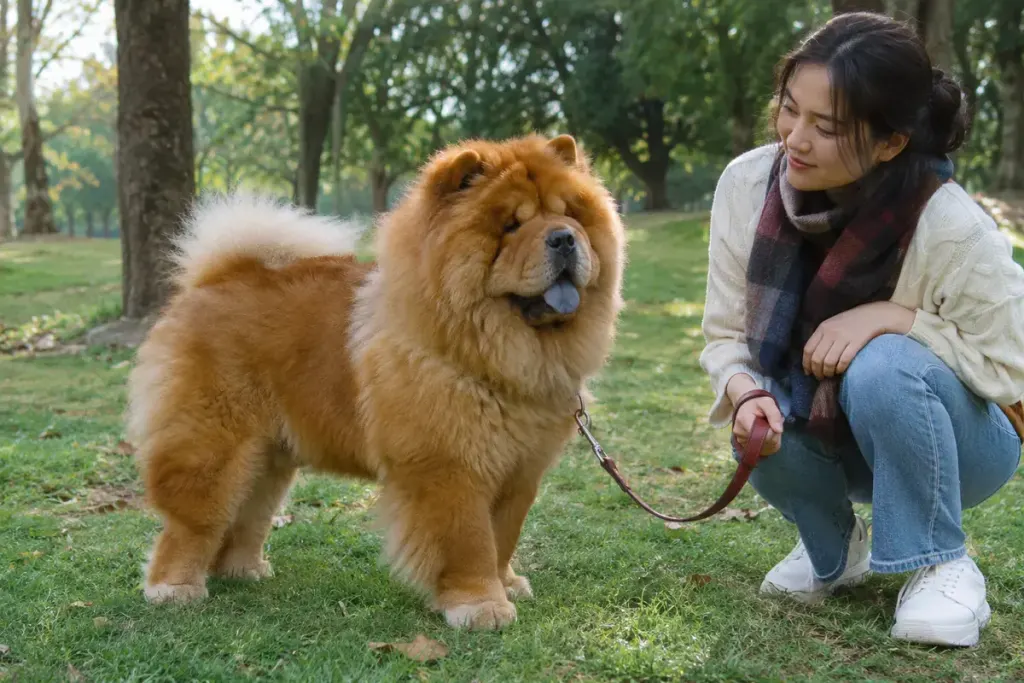
A healthy dog may be able to help another dog through blood donation. The first step is not choosing a date yourself; it is finding out whether a veterinary blood service considers your dog suitable and comfortable with its process.
Pet Blood Bank UK’s donor registration information sets out its own requirements. Services can assess factors such as age, weight, health history, medication, travel and temperament. These are programme-specific criteria, not a checklist that makes every large dog an automatic donor.
Give the screening team a complete picture
Have your dog’s veterinary details and current medicines available. Mention previous illnesses and how your dog responds to examinations, unfamiliar people and handling. For a Chow Chow, breed alone should not decide the answer in either direction; the service needs to assess the individual dog.
Ask what the appointment involves, who performs the assessment and when the team would stop or decline a donation. Find out what preparation and aftercare they require. Follow those instructions rather than borrowing a feeding or exercise schedule from an unrelated online account.
Comfort is part of suitability
A calm dog at home may feel differently in a clinical setting. Describe any fear or handling difficulty honestly. Do not conceal it because you want to help, and do not try to restrain or medicate your dog into meeting a donor expectation without the veterinary team’s direction.
If your dog is not accepted, that does not mean you have failed or that the dog is necessarily unhealthy. A blood service has specific clinical and welfare requirements, and suitability can change over time.
Ask about other ways to support the service, such as sharing its official recruitment information. If your dog is accepted, keep the contact details and instructions accessible, and report relevant changes before a later appointment. The useful contribution begins with accurate information and a process the dog can tolerate safely.