
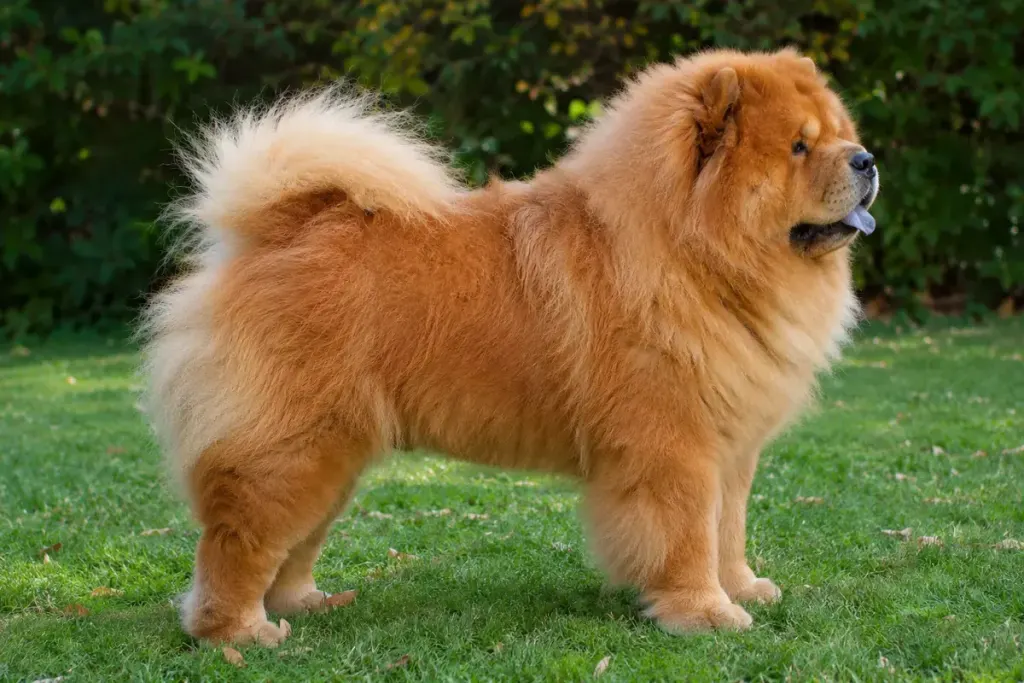
A breed description may call for a slight, moderate or well-defined stop. Here, the word is not an instruction to the dog. It names the change in profile where the muzzle meets the forehead.
Knowing that location makes a written description easier to follow. It does not tell you whether an individual dog is healthy, comfortable or a suitable companion.
Look at the side profile first
The Royal Kennel Club’s glossary of canine terms is designed to explain the vocabulary used in breed standards. Terms such as muzzle, skull, occiput and stop refer to different features; treating them as interchangeable makes a description much harder to picture.
Use a clear side-on photograph with the dog holding its head naturally. Follow the top line of the muzzle toward the forehead. The change in that line is the area you are trying to identify. A low camera angle, heavy coat or tilted head can make it look different.
Compare like with like
If you compare two images, choose similar angles and lighting. A front-facing portrait tells you other things about the face, but it is not the clearest view of a profile transition. Do not mistake the dramatic shadow in a photograph for the underlying shape.
For a thick-coated dog such as a Chow Chow, fur can soften the outline. There is no need to press around the face to settle a terminology question. A diagram or a knowledgeable breed educator can be more useful than trying to make a reluctant dog pose.
A description is not a scorecard for everyday care
Breed standards describe an intended type within a particular system. Reading them can be interesting, but more pronounced does not automatically mean better. Nor can one feature prove a dog’s ancestry.
Keep practical observations separate: comfortable breathing, normal eating, eye comfort and changes in behaviour are matters for appropriate care and veterinary advice. A head-profile term cannot answer those questions.
Try a simple reading exercise: take a short paragraph from a breed description and identify which phrases refer to shape, proportion, expression and movement. Look up only the unfamiliar terms, then reread the paragraph. The goal is understanding the language well enough to see what it describes—not judging a living dog from one flattering photograph.