
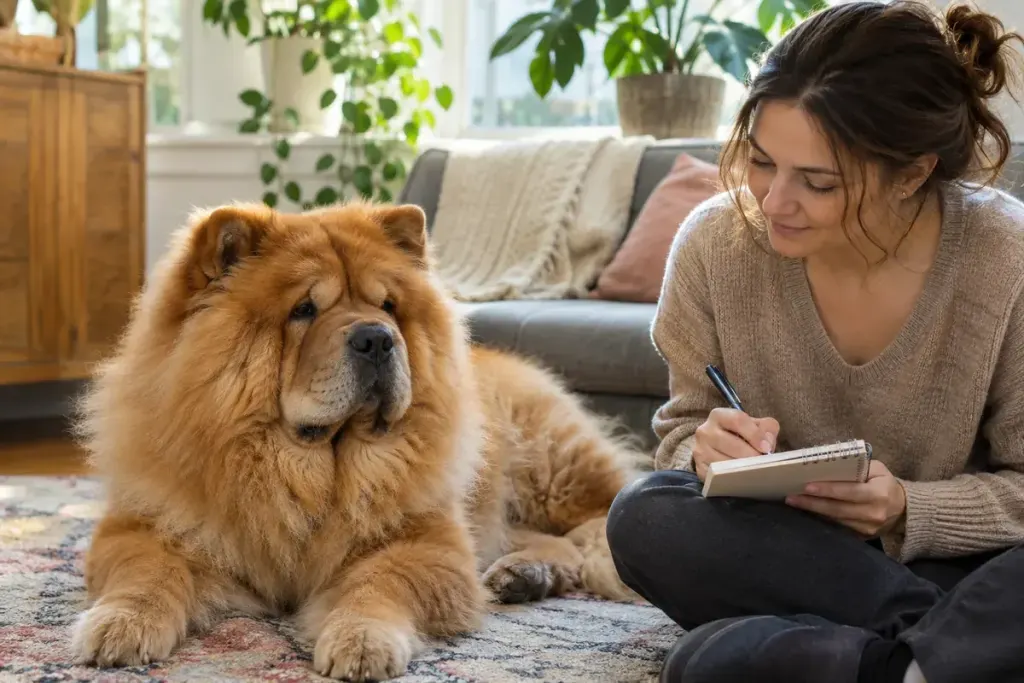
A dog pauses during a walk to scratch one ear, then does it again after coming home. It is tempting to reach for something to clean the ear. The more useful first step is to notice the pattern and contact your veterinary practice if the scratching persists or the ear seems uncomfortable.
The PDSA guide to ear problems lists signs such as head shaking, redness, discharge and an unpleasant smell. Several problems can cause similar signs. The colour of material at the entrance does not, on its own, identify the cause or tell you which treatment is appropriate.
Make a short record, without investigating inside
Useful notes are straightforward: which ear, when you first noticed the scratching, whether it is happening repeatedly, and whether your dog is reluctant to have the head touched. Record recent swimming, grooming or a change you have actually observed. If a previous ear medicine is in the cupboard, note its name for the vet rather than restarting it yourself.
A brief video of naturally occurring head shaking can help explain what you mean. Do not provoke scratching to obtain footage or hold the dog down for an inspection. An animal in pain may react differently from usual.
Why a cotton bud is the wrong investigation tool
PDSA advises against cotton buds in ear cleaning. Pushing into the canal can cause harm and move material farther inward. Cleaning a healthy ear under veterinary guidance is different from trying to treat a painful or unexplained problem. Ask the practice before putting cleaner, oil, water or leftover drops into the affected ear.
Seek prompt veterinary advice for marked pain, swelling, a persistent head tilt, balance problems or a dog that seems unwell. Do not wait to complete an observation diary before calling. The record is there to make the conversation clearer, not to delay care.
For a fluffy dog such as a Chow Chow, the ear entrance may be less obvious beneath the coat. That makes gentle handling and a professional examination more valuable, not a reason to probe more deeply at home.