
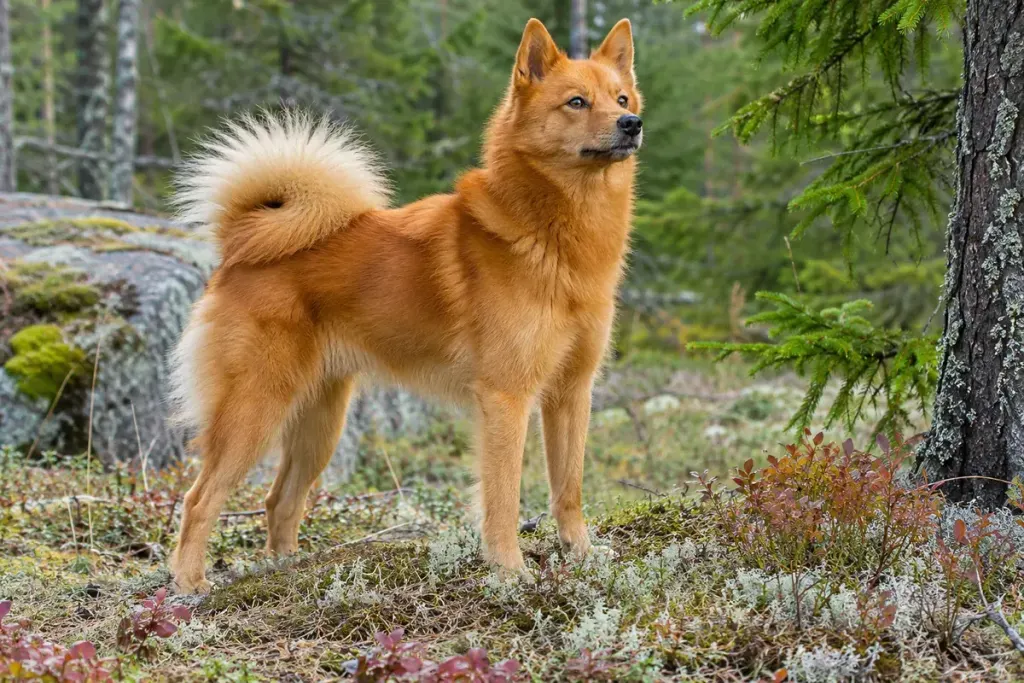
A fox-like face and a rich red coat may catch your eye first, but the Finnish Spitz also has a history you can hear. Its voice was useful in its hunting work, rather than an accidental extra attached to its appearance.
The American Kennel Club’s breed profile describes the Finnish Spitz as a hunting dog known for locating and indicating birds through barking. This background is a helpful starting point for understanding the breed, without assuming that every individual behaves identically.
Listen to the everyday setting
Before choosing a dog, think about the home rather than only the breed photograph. Shared walls, long periods alone, frequent passers-by and household routines can all become relevant to how a vocal dog fits into daily life. Discuss realistic expectations with a responsible breeder or rescue familiar with the individual.
Ask what sounds or situations tend to prompt barking, how the dog settles and what training has already been introduced. A useful answer describes behaviour in context. “Good temperament” alone tells you little about a dog’s response to a doorbell or an unfamiliar neighbour.
Meeting an adult dog in an appropriate setting can be especially informative. Notice the whole pattern: excitement, recovery, attention to the handler and opportunities to rest. One brief quiet encounter is not a guarantee of silence at home.
Plan for communication and activity
Use humane, reward-based training and appropriate enrichment to support the behaviours you want. Avoid punishment aimed simply at suppressing all sound. A sudden change in vocal behaviour, especially with signs of distress or illness, deserves attention to the cause and may need veterinary advice.
Keep a short record if barking becomes difficult: what happened beforehand, how long it lasted and what helped the dog settle. That gives a qualified trainer or behaviour professional something more useful than “always noisy.”
The breed’s history does not excuse ignoring neighbours or a struggling dog. It helps set a more honest starting point. Choosing a Finnish Spitz should include liking the living, communicating animal, not only the striking outline in a photograph.